

Compressed air systems are at the heart of countless industrial processes, from manufacturing and food production to pharmaceuticals and energy. As industries continue to demand greater efficiency and reliability, turbo compressors have become an increasingly popular solution. But many people still ask, what makes them different from traditional compressors? Understanding what is a turbo compressor can help businesses make smarter decisions about their air systems and long-term operational costs.
What Is a Turbo Compressor?
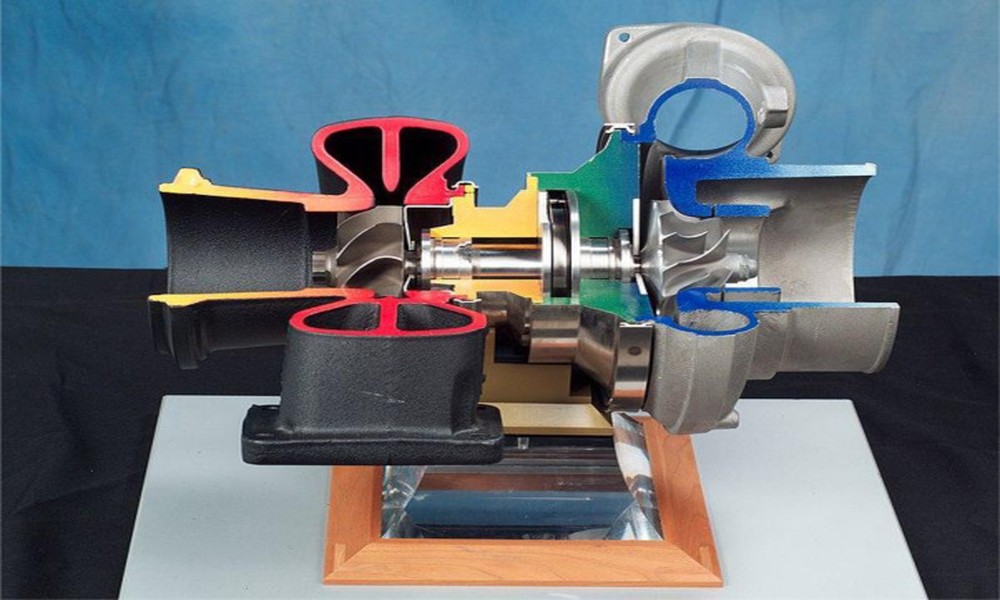
A turbo compressor, also known as a centrifugal compressor, is a type of dynamic compressor that uses high-speed rotating impellers to increase the pressure of air. Unlike positive displacement compressors that trap and compress air in a chamber, turbo compressors accelerate air to high velocity and then convert that velocity into pressure.
This method allows for continuous airflow, making turbo compressors particularly suitable for applications that require a steady and large volume of compressed air.
How Turbo Compressors Work
The Core Mechanism
Turbo compressors operate using a simple yet highly efficient principle:
- Air enters the compressor through an inlet
- A rapidly spinning impeller accelerates the air
- The air moves into a diffuser where velocity is converted into pressure
- Compressed air is discharged for use
This process is continuous, which means there are fewer pulsations compared to other compressor types.
Key Components
Some of the essential parts of a turbo compressor include:
- Impeller: Rotates at high speed to accelerate air
- Diffuser: Converts kinetic energy into pressure
- Inlet guide vanes: Control airflow entering the system
- Bearings: Support the rotating shaft with minimal friction
Advantages of Turbo Compressors
Energy Efficiency
One of the biggest advantages of turbo compressors is their energy efficiency. Because they rely on dynamic compression rather than mechanical trapping, they often consume less energy, especially at higher capacities.
Low Maintenance
Turbo compressors have fewer moving parts compared to traditional compressors. This reduces wear and tear, leading to lower maintenance requirements and longer service intervals.
Oil-Free Operation
Many turbo compressors are designed to operate without oil in the compression chamber. This makes them ideal for industries like food, pharmaceuticals, and electronics, where air purity is critical.
Continuous Airflow
The steady flow of compressed air reduces system fluctuations, improving the performance of connected equipment.
Applications of Turbo Compressors
Turbo compressors are widely used across various industries due to their efficiency and reliability.
Manufacturing
Factories that require a constant supply of compressed air benefit from the continuous operation of turbo compressors.
Food and Beverage
Oil-free air ensures that products remain uncontaminated during processing and packaging.
Pharmaceuticals
Clean and consistent airflow is essential for maintaining strict hygiene standards.
Energy Sector
Turbo compressors are often used in power plants and gas processing facilities due to their ability to handle large volumes of air.
Turbo Compressors vs Traditional Compressors
Performance Differences
Traditional compressors such as piston or screw types are better suited for smaller, variable loads. Turbo compressors, on the other hand, excel in high-demand, steady-state applications.
Cost Considerations
While turbo compressors may have a higher upfront cost, their energy efficiency and lower maintenance often result in reduced total cost of ownership over time.
Noise and Vibration
Turbo compressors generally produce less noise and vibration, making them more suitable for environments where operational comfort is important.
Choosing the Right Compressor for Your Needs
Selecting the right compressor depends on several factors:
- Air demand and usage patterns
- Required air quality
- Energy efficiency goals
- Budget and long-term cost considerations
Businesses with high and consistent air demand will often find turbo compressors to be the most effective solution.
FAQ
What industries benefit most from turbo compressors?
Industries with continuous, high-volume air requirements such as manufacturing, pharmaceuticals, and food processing benefit the most.
Are turbo compressors more expensive to maintain?
No. In fact, they typically require less maintenance due to fewer moving parts and reduced mechanical wear.
Can turbo compressors operate without oil?
Yes, many turbo compressors are designed to be oil-free, making them ideal for sensitive applications.
How energy-efficient are turbo compressors compared to other types?
Turbo compressors are generally more energy-efficient, particularly in applications with steady air demand.
Is a turbo compressor suitable for small businesses?
It depends on the air demand. For smaller or variable needs, a traditional compressor may be more cost-effective.
Conclusion
Turbo compressors represent a modern, efficient solution for industries that rely heavily on compressed air. Their ability to deliver continuous airflow, reduce energy consumption, and operate with minimal maintenance makes them a valuable investment for many businesses. By understanding how they work and where they excel, organisations can make informed decisions that improve both performance and cost efficiency.