

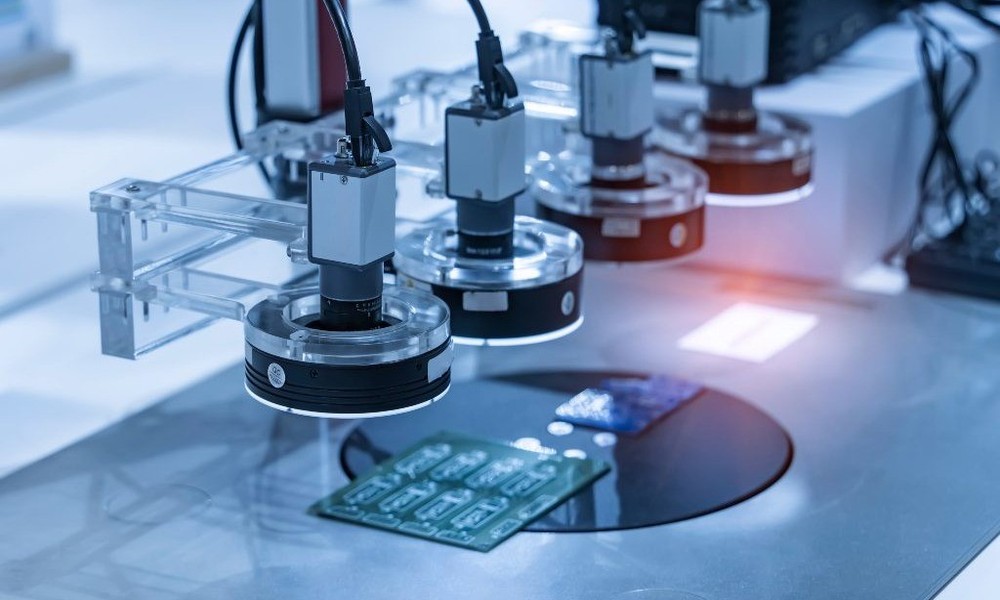
Automation has become a major focus for businesses looking to improve efficiency, accuracy, and productivity. Across industries such as manufacturing, logistics, healthcare, and robotics, vision technology is helping organisations streamline operations and reduce manual processes. By combining advanced imaging systems with intelligent software, machine vision is transforming how companies monitor, inspect, and manage complex tasks.
Innovative providers such as Fortis Vision support businesses with advanced vision solutions designed to improve automation, quality control, and operational performance.
What Is Vision Technology?
Vision technology refers to systems that use cameras, sensors, lighting, and software to capture and analyse visual information automatically.
Automated Image Analysis
Machine vision systems can identify patterns, measure objects, inspect products, and detect defects far more quickly than manual inspection methods.
Integration With Automation Systems
Vision technology often works alongside robotics and automated machinery to improve precision and reduce the need for constant human involvement.
Real-Time Decision Making
Advanced systems can process visual information instantly, allowing businesses to respond quickly to operational changes or production issues.
Industries Benefiting From Vision Systems
Vision technology is now widely used across many sectors due to its flexibility and accuracy.
Manufacturing and Production
Manufacturers use machine vision to inspect products, maintain quality standards, and automate assembly line operations.
Warehousing and Logistics
Automated vision systems help identify packages, track inventory, and improve sorting efficiency within warehouses and distribution centres.
Healthcare and Medical Technology
Medical imaging systems and laboratory automation rely heavily on advanced visual analysis and precision monitoring.
Robotics and Artificial Intelligence
Robots equipped with machine vision can recognise objects, navigate environments, and perform complex tasks with greater accuracy.
Key Benefits of Machine Vision
Businesses investing in vision technology often experience significant operational improvements.
Increased Accuracy
Automated systems reduce the risk of human error while maintaining highly consistent inspection standards.
Improved Productivity
Vision systems can analyse products and data far more quickly than manual processes, helping increase output and efficiency.
Reduced Operational Costs
Identifying defects early and automating repetitive tasks can help lower waste and labour costs.
Enhanced Quality Control
Real-time inspection allows companies to detect production issues immediately before defective products reach customers.
The Role of Artificial Intelligence in Vision Technology
Artificial intelligence continues to expand the capabilities of machine vision systems.
Smarter Pattern Recognition
AI-powered systems can detect subtle inconsistencies and complex patterns that traditional software may miss.
Continuous Learning Capabilities
Some machine vision systems improve over time by learning from collected data and adapting to changing environments.
Advanced Predictive Analysis
Artificial intelligence can help businesses identify trends and predict potential operational issues before they occur.
Challenges Businesses Should Consider
While machine vision offers many advantages, successful implementation requires planning and expertise.
Initial Investment Costs
Advanced imaging systems and software integration may require significant upfront investment.
System Compatibility
Vision technology often needs to integrate with existing machinery, software, and workflows.
Maintenance and Calibration
Regular updates and calibration help maintain long-term system accuracy and reliability.
Future Trends in Vision Technology
The future of machine vision is closely connected to advances in automation and artificial intelligence.
Increased Use of Robotics
More industries are combining robotic systems with machine vision for fully automated operations.
Faster Data Processing
Improved computing power is enabling real-time image analysis at increasingly high speeds.
Wider Accessibility for Businesses
As technology becomes more affordable, smaller businesses are beginning to adopt machine vision solutions.
Tips for Businesses Exploring Vision Systems
Companies considering automation should approach implementation strategically.
Identify Repetitive Tasks
Machine vision is especially effective for repetitive inspections and quality control processes.
Focus on Long-Term Efficiency
Businesses should evaluate how automation can improve productivity and reduce operational costs over time.
Work With Experienced Technology Providers
Professional guidance helps ensure systems are properly selected, integrated, and maintained.
FAQs
What is machine vision technology?
Machine vision technology uses cameras and software to analyse visual information automatically for inspection and automation purposes.
Which industries use vision systems?
Manufacturing, healthcare, logistics, robotics, and automotive industries commonly use machine vision solutions.
How does machine vision improve quality control?
Vision systems can detect defects and inconsistencies quickly and accurately during production processes.
What role does artificial intelligence play in machine vision?
AI allows systems to recognise complex patterns, learn from data, and make more intelligent operational decisions.
Is machine vision suitable for small businesses?
As costs continue to decrease, machine vision is becoming increasingly accessible for smaller companies seeking automation solutions.
Conclusion
Vision technology is transforming modern industries by improving automation, accuracy, and operational efficiency across a wide range of applications. From manufacturing and logistics to healthcare and robotics, machine vision systems help businesses streamline processes and maintain high quality standards. As artificial intelligence and automation continue to advance, vision technology will remain a major driver of industrial innovation and future business growth.