

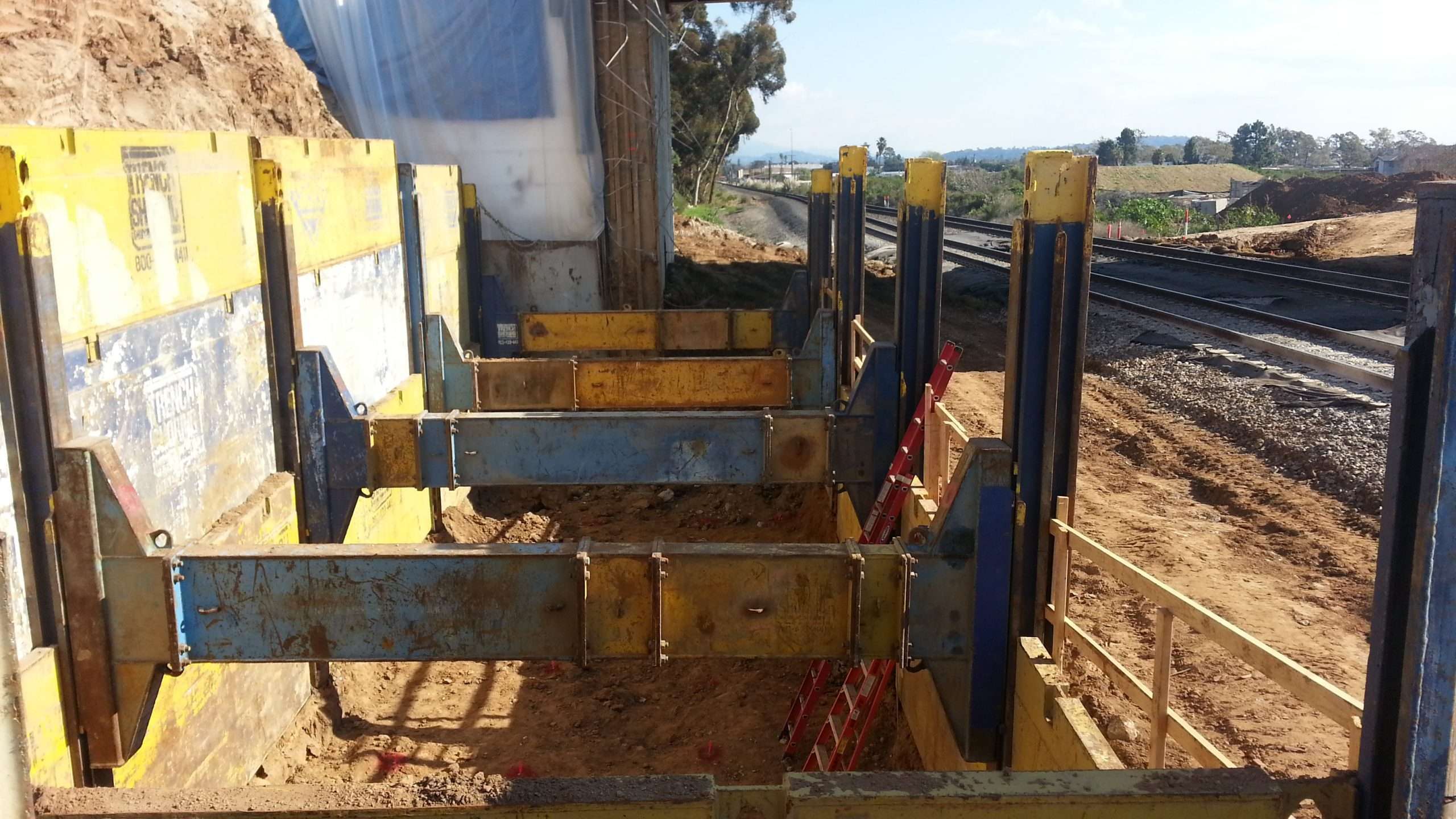
Excavation transforms the landscape, but the ground rarely cooperates. Whether building a high-rise in a dense city or reinforcing a riverbank before a major project, shoring stands between progress and disaster. Yet, even the best-planned support systems run into stubborn obstacles. Understanding these challenges, and knowing how to outsmart them, separates routine construction from risky improvisation.
What Is Shoring and Why Is It Essential in Construction?
When soil and structures need support during construction, shoring is the unsung hero. The process involves installing temporary or permanent systems to stabilize trenches, excavations, or existing buildings. Why is this so important? Because uncontrolled soil movement or unexpected collapses can halt work, threaten lives, and balloon project costs in an instant.
Defining Shoring and Its Purpose
At its core, shoring is about risk management. It ensures that the earth stays put while construction happens nearby or below. Whether protecting workers in a deep excavation or bracing a historic wall, shoring preserves safety and structural integrity until permanent supports are in place.
Common Types of Shoring Systems
Not all shoring is created equal. Some projects call for robust steel sheet piles, while others rely on soldier piles (Berlinois), concrete blocks, or even hybrid systems. The choice depends on the soil, water conditions, depth, and the kind of loads at play. Flexibility is key, as a one-size-fits-all approach can quickly become a liability.
What Are the Most Frequent Challenges Encountered in Shoring?
Even with careful design, shoring projects encounter a familiar set of hurdles. Each has the potential to derail timelines, inflate budgets, or compromise safety.
Soil Stability and Unexpected Ground Conditions
Soils rarely behave exactly as predicted. Hidden pockets of water, varying densities, or previously disturbed ground can undermine even the most robust shoring design. When the earth shifts unexpectedly, loads can increase, and previously adequate supports may teeter on the edge of failure.
Water Infiltration and Dewatering Issues
Groundwater is relentless. It seeps into excavations, reduces soil strength, and places additional pressure on shoring systems. Effective dewatering is a must, but unexpected flows, heavy rain, or rising water tables can overwhelm pumps and waterproofing, leading to delays or unsafe conditions.
Structural Load Miscalculations
Underestimating the forces acting on shoring is a recipe for trouble. This includes not just the weight of the soil, but also nearby traffic, adjacent buildings, and even vibrations from passing trains. A small miscalculation can snowball into excessive movement, cracks, or outright collapse.
Equipment and Material Limitations
Sometimes, the best shoring solution on paper is unworkable on site. Restricted access, equipment that cannot reach the excavation, or supply chain hiccups can force last-minute changes. Inadequate materials or outdated equipment add another layer of risk.
Environmental and Regulatory Constraints
From urban noise restrictions to environmental protection rules, shoring projects face a web of regulations. Working near watercourses, protected habitats, or historic structures often requires special permits and added precautions, which can slow down or reshape the project entirely.
How Can Soil and Groundwater Challenges Be Addressed Effectively?
Mitigating the risks posed by unpredictable soil and persistent groundwater starts with preparation, but it never stops there.
Assessing Soil Types and Conducting Proper Site Investigations
Thorough geotechnical investigations uncover the hidden nature of the soil. Borehole sampling, in-situ testing, and careful analysis help engineers predict how the ground will react. Skipping this step or cutting corners is an open invitation to trouble.
Implementing Effective Dewatering and Water Control Systems
Planning for water infiltration means more than just bringing extra pumps. Depending on site conditions, well points, sump pumps, or impermeable barriers may be needed. Continuous monitoring ensures the system is adapting to real-time changes, not just the original plan.
Using Batardeaux and Other Waterproofing Techniques
For sites near water, batardeaux (temporary cofferdams) and other waterproofing strategies create dry zones for work. These systems must be robust enough to handle changing water levels and unpredictable weather, and they often require specialized engineering expertise.
What Strategies Minimize Structural Failures During Shoring?
Avoiding failure is about precision and vigilance, from the first calculation to the last inspection.
Accurate Load Calculations and Monitoring
Nothing replaces meticulous calculation. Every variable, from live loads to wind pressure, needs to be considered. Yet, even the best models have limits. Installing real-time load sensors and monitoring for movement can provide early warnings before a minor issue becomes a crisis.
Choosing the Right Shoring Materials (e.g., Palplanche, Berlinois, Concrete Blocks)
The material matters. Steel sheet piles (palplanche) offer robust, watertight support for deep excavations, while soldier piles (Berlinois) and concrete blocks excel in less demanding or more flexible applications. Selecting the right fit for the job means fewer surprises down the line.
Incorporating Reinforced Soil and Earth Retention Methods
Sometimes, stabilizing the soil itself, through geotextiles, soil nails, or reinforced earth, provides an extra margin of safety. These approaches are especially useful where space is tight or traditional shoring is impractical.
How to Overcome Logistical and Operational Constraints on Site?
The best engineering plan is useless if logistics fail. Tight sites, overlapping trades, and shifting deadlines test even the most seasoned teams.
Planning for Equipment Accessibility and Material Handling
Early assessment of site access, crane locations, and material delivery routes can reveal bottlenecks before they become costly delays. Modular and prefabricated shoring systems can also speed installation in challenging environments.
Coordinating Between Design, Engineering, and Field Teams
Miscommunication leads to mistakes. Regular meetings between designers, engineers, and on-site crews ensure that intent matches implementation. Digital tools for scheduling and information sharing can streamline this process, reducing costly rework.
Managing Time and Budget Pressures
Project constraints are a fact of life. Contingency planning, phased execution, and flexible resource allocation help keep shoring projects on track even when surprises arise.
What Are the Best Practices for Ensuring Safety Throughout Shoring Operations?
Safety is not a box to check, it is a constant process.
Regular Inspection and Maintenance Procedures
Shoring systems must be inspected before, during, and after installation. Signs of movement, corrosion, or water ingress need immediate attention. Scheduled maintenance and prompt repairs prevent small issues from escalating.
Training and Communication Among Crew Members
A well-trained crew is the best defense against accidents. Ongoing education about equipment, emergency procedures, and hazard recognition keeps everyone vigilant, even on routine tasks.
Complying with Safety Regulations and Standards
Adherence to local and national regulations is non-negotiable. Whether it is proper signage, protective barriers, or mandated inspection intervals, compliance protects both workers and the project.
How Do Environmental and Regulatory Factors Influence Shoring Projects?
Every shoring project exists within a larger ecosystem of rules and responsibilities.
Navigating Permits and Local Regulations
Securing the right permits often requires patience and careful documentation. Early engagement with regulators helps anticipate requirements and avoid costly shutdowns.
Minimizing Environmental Impact on Surrounding Areas
Sensitive habitats, watercourses, and urban environments demand extra care. Techniques like silt curtains, noise barriers, and staged construction help limit the footprint of shoring activities.
Adapting Designs for Watercourse Deviations and Ecosystem Preservation
When a project encroaches on a stream or river, designs must include watercourse deviation plans and ecosystem preservation measures. These adaptations are not just about compliance, they reflect a commitment to sustainability.
What Innovations and Technologies Are Improving Shoring Today?
The future of shoring is smarter, faster, and greener.
Use of Advanced Monitoring Sensors and Real-Time Data
Sensors embedded in shoring systems can deliver real-time data on loads, movement, and groundwater levels. This insight enables proactive adjustments, catching problems before they escalate.
Prefabricated and Modular Shoring Systems
Modular components can be delivered ready to install, reducing on-site labor and improving consistency. Prefabrication also shortens project timelines and minimizes disruption, especially in urban settings.
Sustainable Materials and Practices in Shoring
Recycled steel, low-carbon concrete, and reusable components are gaining traction. Sustainable practices not only reduce environmental impact but can also lower project costs over time.
Where to Find Expert Support and Resources for Complex Shoring Challenges?
No two shoring projects are alike. When the stakes are high, specialized expertise can make all the difference. Consulting with engineering firms such as NadeauSDM ingénieur ouvrage temporaire brings not just technical know-how, but also hands-on experience in tackling the toughest conditions. Industry associations, technical documentation, and targeted training programs further empower teams to stay ahead of evolving challenges.
When soil shifts and water rises, it is not brute force but focused expertise and preparation that keep sites safe and projects moving forward. Shoring may be temporary, but its impact on construction success is anything but fleeting.