

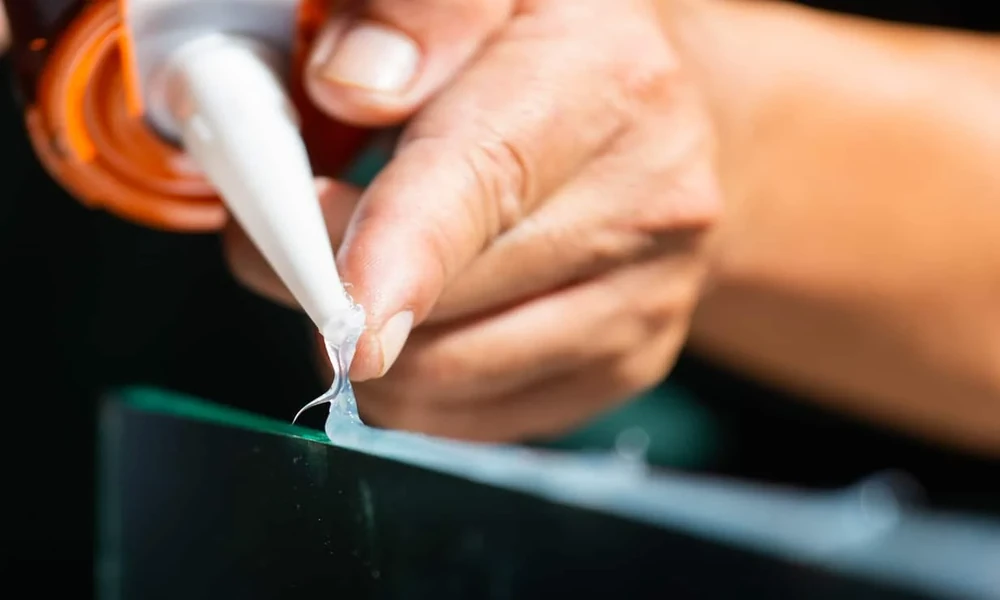
A strong bond can hold a skirting board, stick tiles to a wall, or keep a subfloor quiet for years. A poor choice can fail within weeks.
Today’s adhesives cover a wide range of jobs, from small household repairs to heavy construction work. People searching this topic usually want a simple way to match the right product to the job without trial and error.
Start With Four Questions
Before reaching for any product, answer these:
· What are you joining? Timber, metal, concrete, plastic, glass, and stone all behave differently.
· How much load will the joint carry? A light trim needs far less strength than a heavy wall panel.
· Where will it be used? Indoors, outdoors, in wet areas or in direct sun.
· How quickly does it need to set? Some jobs need instant grab. Others need time to adjust.
Common Adhesive Types and Where They Work
| Type | Best For | Key Strength |
|---|---|---|
| Polyurethane | Timber, concrete, outdoor work | Strong, weather-resistant |
| Hybrid polymer (MS polymer) | Mixed materials, wet areas | Flexible, bonds and seals |
| Epoxy | Metal, stone, structural repairs | Very high strength |
| PVA (wood glue) | Indoor timber joinery | Easy to use, clean finish |
| Contact adhesive | Laminates, sheet materials | Instant bond |
| Construction adhesive | Building panels, framing, subfloors | Gap-filling strength |
Bonding Different Materials
· Timber to timber. PVA suits indoor furniture and joinery. Polyurethane works better outdoors or where moisture is likely.
· Metal and stone. Epoxy or hybrid polymer adhesives offer strong, durable bonds.
· Mixed materials. Hybrid polymer products are popular because they bond many surfaces and stay slightly flexible.
· Wet areas. Bathrooms, laundries, and kitchens need products rated for moisture. Look for labels that mention water resistance or suitability for wet areas.
Indoor vs Outdoor Use
Outdoor joints face sun, rain, and temperature swings. Products that work well indoors may crack or lose grip outside. For decking, fencing, cladding or garden structures, choose adhesives marked for exterior use and UV resistance.
Bonding vs Sealing
Some products do both. Hybrid polymers, for example, can bond materials while sealing joints against water and air. If a job needs both strength and a watertight finish, check that the product is rated for both. Choosing the right adhesives for dual-purpose jobs saves time and reduces the need for extra sealant.
Surface Preparation Matters
Even the best product fails on a dirty surface. Before applying:
· Remove dust, grease, and old adhesive.
· Make sure surfaces are dry, unless the product allows damp application.
· Lightly sand smooth surfaces for better grip.
· Check temperature limits on the label.
Curing and Clamping
Most adhesives need time to reach full strength. Some grab within minutes but take a day or more to fully cure. Support or clamp pieces while they set, and avoid putting weight on the joint too early. Cold weather usually slows curing.
Common Mistakes
· Using indoor products outdoors
· Applying to dusty or oily surfaces
· Not allowing full curing time
· Using too much product
Safety Basics
Read the label and safety data sheet. Work in a ventilated area and wear gloves where advised.
Frequently Asked Questions
Can one adhesive work for every job?
Some hybrid products are versatile, but none suits everything.
How long does curing take?
From minutes to days. Check the label.
Can adhesives replace screws?
Sometimes, though many jobs need both.
Do adhesives work in cold weather?
Some do. Check the minimum application temperature.
Choosing the right product comes down to the materials, the load, and the environment. Answer the basic questions first, prepare surfaces properly, and follow the label. Small steps done well lead to bonds that last.