

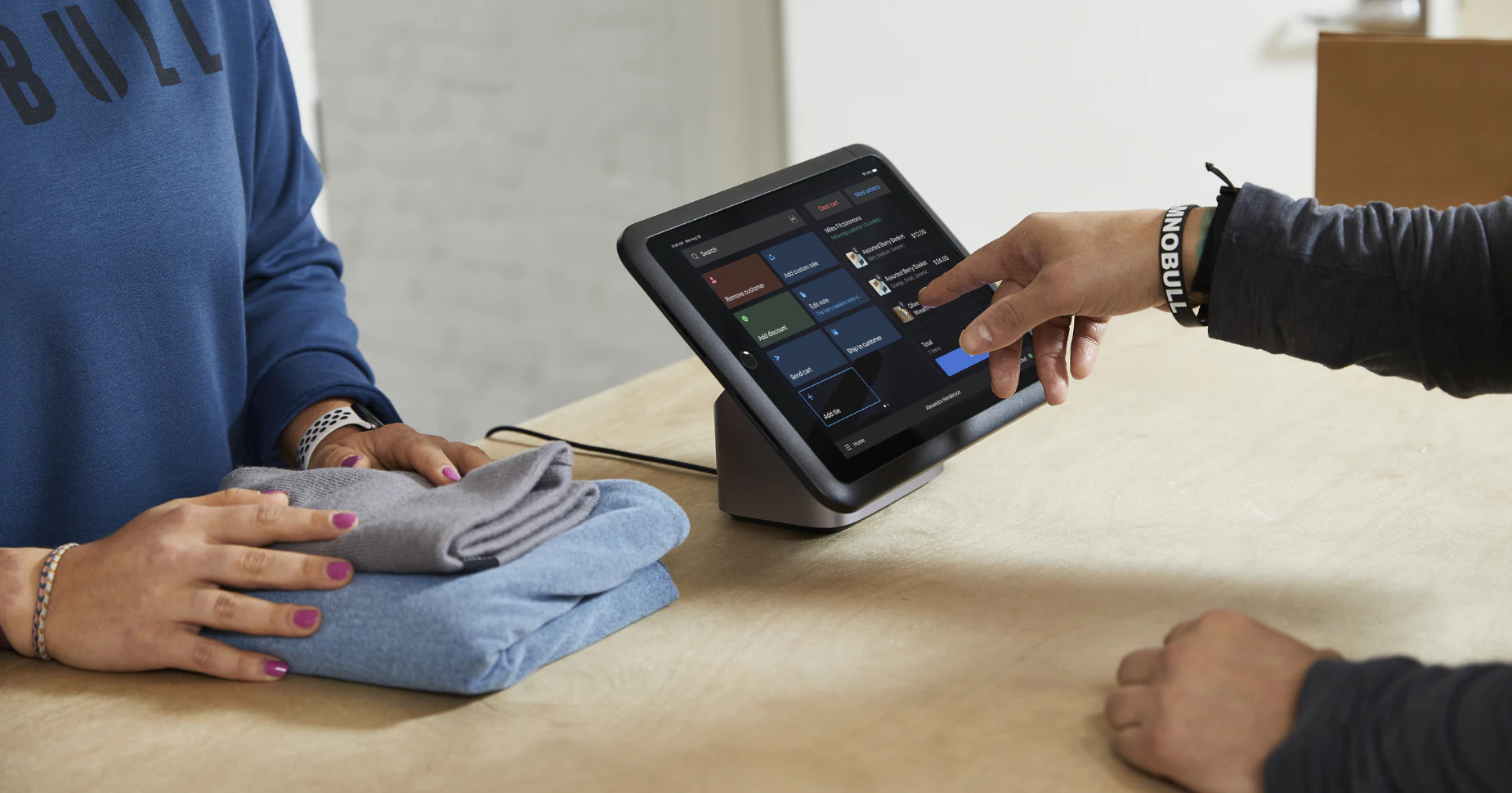
Many small businesses are constantly seeking ways to streamline their operations and enhance customer experience. One area that has seen significant innovation is the point-of-sale (POS) system. Traditionally, small businesses have relied on clunky cash registers and manual processes to manage transactions. However, the rise of online POS systems has sparked a debate about their cost-effectiveness for small businesses.
Understanding Online POS Systems
An online Pos system is a software-based solution that allows businesses to process transactions, manage inventory, and generate reports using a computer, tablet, or smartphone. Unlike traditional POS systems, online POS systems are cloud-based, meaning that all data is stored and accessed via the Internet. This provides small businesses with the flexibility to manage their operations from anywhere with an internet connection.
The Cost-Effectiveness of Online POS Systems
Cost is a crucial factor for small businesses when considering the adoption of new technology. So, are online POS systems really cost-effective? Let’s break it down.
- Initial Investment: When compared to traditional POS systems, online POS systems generally have a lower initial investment cost. Instead of purchasing expensive hardware and software licenses, small businesses can often get started with just a tablet or smartphone and a subscription to the online POS software. This makes such systems an attractive option for businesses with limited capital.
- Scalability: Another cost-saving benefit of online Pos systems is their scalability. As a small business grows, it can easily add additional registers or users to the online POS system without the need for significant investment in new hardware or infrastructure. This flexibility can result in long-term cost savings for small businesses, as they can adapt their POS system to match their growth without incurring substantial expenses.
- Reduced Maintenance Costs: Online POS systems typically require minimal maintenance compared to traditional POS systems. With cloud-based software, updates and maintenance are handled by the POS provider, eliminating the need for small businesses to invest in IT support or troubleshooting. This can lead to cost savings in the form of reduced IT expenses and increased system reliability.
- Enhanced Efficiency: One often overlooked aspect of cost-effectiveness is the efficiency gains that online POS systems can bring to small businesses. By streamlining transaction processes, minimising human errors, and providing real-time access to sales data, online POS systems can help small businesses save time and reduce costly mistakes. Also, the ability to integrate with other business tools such as accounting software and customer relationship management (CRM) systems can further enhance operational efficiency and potentially reduce overall business costs.
Factors to Consider
While the cost-effectiveness of online POS systems for small businesses is compelling, there are certain factors that businesses should consider before making the switch.
- Subscription Costs: While the initial investment in hardware may be lower, small businesses need to factor in the ongoing subscription costs of the online POS system. It’s important to carefully evaluate the pricing structure and features offered by different providers to ensure that the chosen system aligns with the business’s budget and requirements.
- Internet Reliability: Since online POS systems rely on Internet connectivity, small businesses need to assess the reliability of their Internet connection. Downtime or slow internet speeds can disrupt operations and impact sales, highlighting the importance of having a stable internet connection when using an online POS system.
- Data Security: With sensitive customer and transaction data being stored in the cloud, small businesses must prioritise data security when choosing an online POS system. It’s essential to select a reputable POS provider that employs robust security measures to safeguard against potential data breaches and cyber threats.
- Training and Support: Transitioning to a new POS system requires training for staff members to ensure smooth implementation and utilisation. Small businesses should consider the availability of training resources and ongoing support from the POS provider to maximise the benefits of the online POS system and minimise potential disruptions.
The Verdict
So, are online POS systems really cost-effective for small businesses? The answer is a resounding yes, given the numerous benefits they offer in terms of affordability, scalability, reduced maintenance costs, and operational efficiency. However, small businesses must conduct thorough research, consider their specific needs, and carefully evaluate the features and pricing of different online POS systems before making a decision.
The adoption of an online POS system can be a smart investment for small businesses looking to modernise their operations and enhance the customer experience. By embracing the cost-effective nature of online POS systems, small businesses can position themselves for growth and success in an increasingly competitive marketplace.
The landscape of business operations is evolving, and online POS systems are playing a pivotal role in empowering small businesses to thrive in the digital age. With the right online POS system in place, small businesses can gain a competitive edge, improve their bottom line, and deliver a seamless and efficient checkout experience for their customers.