

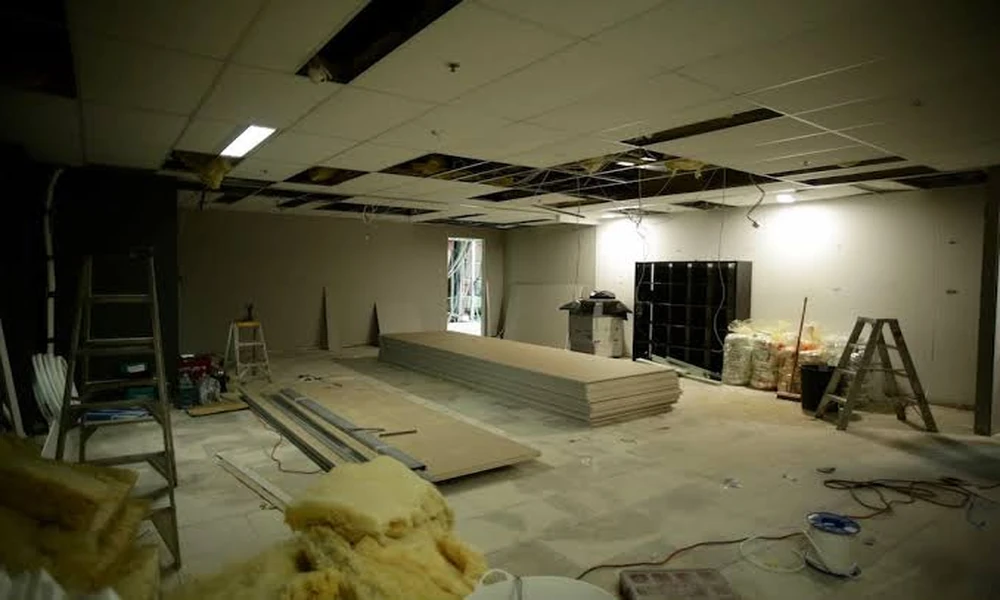
A tenant walks out of a shop for the last time assuming the job’s done. The shelves are gone, the counter’s out, the walls look bare enough. Then the landlord’s inspector turns up a week later holding a lease clause the tenant hasn’t reread since signing it three years ago.
That gap is usually where a commercial defit actually goes wrong. Not in the demolition itself, but in the space between what got removed and what the lease demanded. Strip It Out works this end of the job across the Gold Coast and Brisbane, reading the make-good clause before touching a wall and scoping the work to match it, not to some general idea of what “empty” should look like.
The clause decides more than the tools do
A make-good, or defit, returns a tenancy to whatever condition the lease actually requires. Sometimes that’s a bare shell. Sometimes it’s closer to the original handover state, with specific finishes intact. Those two outcomes look nothing alike on site, and confusing them is how bonds get held up.
Reading the clause first sounds obvious. Plenty of jobs still start with a crew ripping out everything in sight before anyone’s checked what the paperwork actually specifies.
What actually gets removed
Partitions and internal walls usually go first. Shopfront joinery and counters follow, along with signage and branding, floor coverings, and any lighting or ceiling work the tenant added during the lease. Tenant-installed services get pulled too, not just cosmetic fitout.
Once the strip is done, the floor gets swept clean and, where the slab needs it, ground back with diamond grinding equipment to remove old glue or coatings. A trade-ready shell isn’t just empty. It’s ready for whoever inspects it next.
Before any of that starts, the space gets assessed for hazardous materials and adjacent tenancies get protected with sheeting and dust barriers. That containment step matters more inside an active centre than it would on a standalone building, since the strip-out is happening a few metres from businesses still trading through it.
What changes the price
Cost tracks the clause, not a flat rate per square metre. A few things move it more than others.
| Factor | Why it matters |
|---|---|
| Exact scope in the lease | Shell, base build, and original condition all mean different amounts of work |
| Extent of the existing fitout | More tenant additions over the years means more to remove |
| Building or centre access rules | After-hours or weekend work costs more than a straightforward daytime job |
| Patching, painting, ceiling reinstatement | Only applies if the clause specifically calls for it |
Quoting against the actual clause, in writing, closes the gap between what a contractor thinks the job is and what the landlord expects to see. That written scope is what actually protects a tenant once a commercial defit is finished and the bond’s on the line.
Timing runs backward from the handover date
Most retail and office defits finish within one to four days. That window gets built backward from the lease end date, not forward from when the crew shows up. Centre trading hours matter here too. A job inside an active shopping centre often has to happen at night or on weekends so surrounding tenants aren’t affected.
Missing the handover date usually means paying rent on a space that’s no longer in use, which tends to cost more than whatever the after-hours labour would’ve added.
Who this actually applies to
Strip It Out has handled this side of demolition across South East Queensland for more than seven years, working directly with property managers rather than leaving that coordination to the tenant. The space isn’t done when it looks empty. It’s done when it matches the clause, and someone’s put that match in writing before the keys go back.