

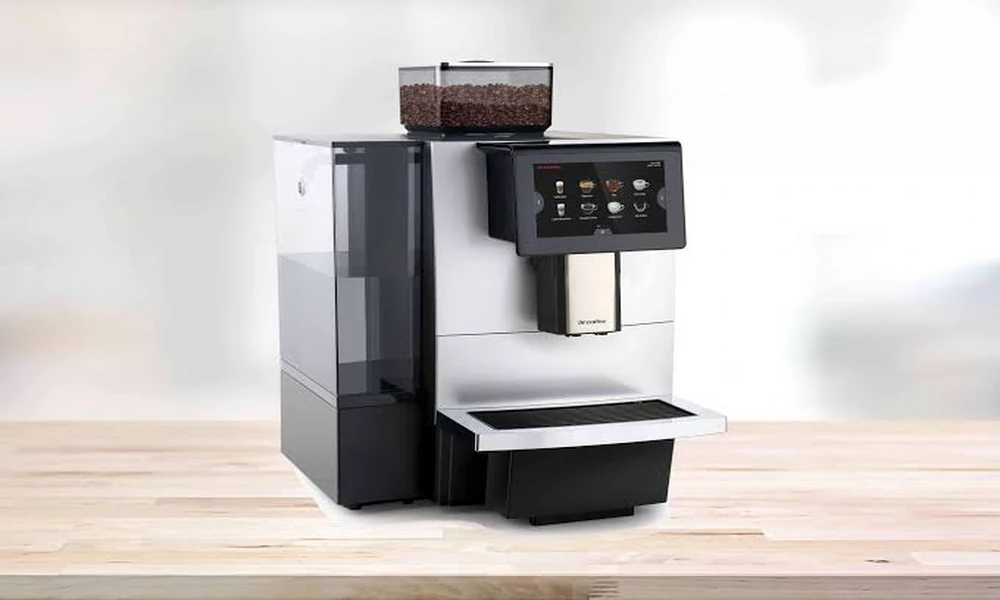
Coffee begins losing what makes it interesting the moment it is ground. The aromatic compounds that give a cup its character are volatile, and exposing a large surface area of coffee to air releases them within minutes rather than days. That single fact is the entire argument for a bean to cup coffee machine singapore offices install: grinding happens seconds before extraction rather than weeks before.
Why Grinding Fresh Matters So Much
Whole beans have a small surface area and a protective structure. Ground coffee has an enormous surface area and begins oxidising immediately, losing aromatics and taking on staleness. Pre-ground coffee sitting in an opened bag for a fortnight, or a capsule filled at a factory months earlier, has already surrendered much of what distinguished it. A machine that grinds per drink retains that character, and the difference is obvious in a side-by-side tasting even to people who claim not to notice.
What Happens Inside the Machine
Beans drop from a hopper into a grinder, which delivers a measured dose into an internal brew unit. The unit compresses the coffee, hot water is forced through at controlled pressure and temperature, and the spent puck is ejected into a container. On machines with a milk system, milk is drawn from a chilled container, textured and dispensed. The entire sequence takes under a minute and involves no human judgement, which is what makes it suitable for shared use.
The Grinder Deserves Most of Your Attention
Burr grinders crush beans between two surfaces at a set distance, producing consistent particle size. Blade grinders chop unevenly and produce both dust and boulders, which extract at different rates and yield muddy, inconsistent coffee. Conical burrs generally run cooler and are common in this class; flat burrs are prized for uniformity. Either is acceptable; a blade grinder is not. Look for adjustable grind settings so the machine can be dialled in when beans change.
Grind Retention and Freshness Between Drinks
A detail worth asking about is how much ground coffee remains in the machine between uses. Systems that retain a quantity in a chamber deliver yesterday’s grinds into today’s first cup, which undermines the point of grinding fresh. Low-retention designs deliver the dose straight to the brew unit. In an office where the first coffee of the morning is made twelve hours after the last, this determines whether the first person of the day gets the same quality as everyone else.
Managing the Hopper in a Humid Climate
Beans absorb moisture, and Singapore’s humidity is unhelpful. A hopper filled to the brim once a week means the last beans are noticeably staler than the first, and in a warm pantry with the lid opened repeatedly they degrade faster still. Fill hoppers with a few days of consumption rather than topping up to capacity, keep the bulk supply sealed elsewhere, and keep the machine out of direct sun. Suppliers of bean to cup coffee machines will usually advise a hopper volume matched to a few days of your actual demand.
Beans and the Roast Date
Freshly ground stale beans are still stale. The date to look for is the roast date rather than an expiry date, and coffee is generally at its best from around a week after roasting through the following several weeks. Buy in pack sizes your office consumes within that window rather than in the largest bag available, store sealed and away from heat and light, and resist freezing partially used bags, since repeated condensation does more harm than the storage saves.
Dialling In and Why It Changes
A machine is set up for a specific bean, grind size, dose and extraction are adjusted until the result tastes right. Change the bean and those settings need revisiting, since a different roast level and density behave differently. Humidity also shifts things over time, which is why coffee that tasted good in month one can taste thin in month four with no obvious cause. Ask whether your supplier will return to adjust the machine when beans change or when the result drifts.
Cleaning Is Non-Negotiable
Coffee oils build up in the brew unit and residues accumulate in milk lines, and both affect taste before they affect function. Daily emptying of the grounds container and drip tray, running the prompted rinse and cleaning cycles, and a weekly deeper milk system clean are the minimum. Most complaints about a machine producing bitter or sour coffee resolve with a proper clean rather than a service visit, which is worth knowing before making the call.
Deciding Whether It Suits You
Bean to cup makes sense where volume justifies it, someone will run the daily cleaning cycle, and the office cares about the difference between good coffee and adequate coffee. It makes less sense for a team of six making four drinks a day, where a capsule machine costs less and wastes nothing. Where the volume is there, a bean to cup coffee machine singapore workplaces adopt delivers a noticeably better cup at a lower cost per drink than any pre-portioned alternative.