

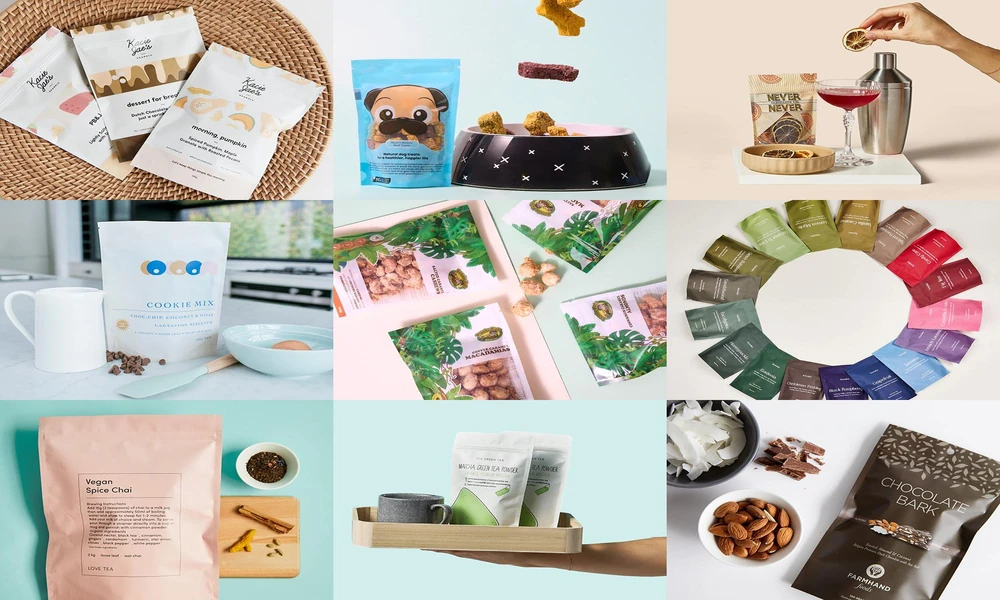
You already know stand up pouches work. The real question is which features set the best apart, and which supplier can deliver them without delays or guesswork. I use a simple checklist that cuts through the noise and helps you match form, function, and budget in minutes.
If you are comparing options for stand up pouches australia, you will find a wide range of sizes, finishes, and materials. In this guide, I break down what matters most, how to avoid common pitfalls, and why The Packaging People stands out for both stock and custom work across food, beverage, health, beauty, pet, and coffee.
I chose these recommendations based on product protection, pack appearance, compliance, supply reliability, and unit cost at scale. Follow the steps below, and you will select the right stand up pouch packaging with confidence.
What “Best” Means Right Now
The best pouch in Australia today does five jobs well:
- Protects the product from oxygen, moisture, light, and contamination
- Opens and closes without fuss and seals clean
- Prints well and presents your brand with clarity and contrast
- Ships and stores without leaks or panel splits
- Meets your sustainability goals with honest specs
If a pouch ticks these boxes and the supplier can deliver at the volumes you need, you have a winner.
Material and Barrier Choices That Work
Your material choice drives shelf life and brand impact. Here is how to think about it:
- Foil-lined structures: Strong barrier against oxygen and moisture. Great for snacks, powders, and coffee that need a longer shelf life.
- Mono-material recyclable films: Lower impact and easier to recycle through soft-plastic streams that accept them. Choose when barrier needs are moderate, and the brand wants a clear sustainability claim.
- Compostable films: Ideal for brands that want a certified end-of-life path. Use for dry goods or fast-moving lines where a shorter shelf life is fine.
- Clear windows or full-clear films: Good for visual merchandising. Add only if your product can handle light exposure or if you pair the window with the right barrier layers around it.
Tip: Ask for oxygen transmission and moisture transmission data, not just broad claims. I look for barrier numbers that match the product’s real storage life and climate.
Closures and Formats That Save Time
Small format choices remove friction for your buyers and your team:
- Press-to-close zipper: The default for reclosable packs
- Slider zipper: Helpful for larger formats or customers with limited dexterity
- Tear notch and laser score: Clean first open
- Hang hole: For clip strips and pegs at retail
- Square-bottom or box-bottom: Extra shelf stability and stronger side panels
- One-way degassing valve: A must for coffee stand up pouches to vent CO2 without letting oxygen in
Choose the closure after you confirm the filling method, seal temperature, and line speed.
Sizing That Fits Product and Process
Get size right from the start. Use these checks:
1. Match net weight to fill volume, not just target grams. Powders and beans pack very differently.
2. Allow headspace for a smooth top seal and any nitrogen flush.
3. Check gusset width against your scoop size or dosing equipment.
4. Order samples in two to three nearby sizes and test on your line.
A 250 g coffee pouch for whole beans often differs from the same weight in ground form. Use fill tests and record your results.
Shelf Appeal Without Compromise
Your pack should grab attention and stay practical:
- Matte black or matte white: Clean, premium look with high legibility
- Kraft paper: Natural look that suits health and food brands
- Gloss: Strong colour pop for bold graphics
- Window styles: Let shoppers see freshness and texture
- Print method: CMYK digital supports lower runs and fast art changes; gravure fits high-volume runs and tight colour control
I suggest a quick brand test: print your design at scale on mock film and tape it onto a blank pouch. Stand six steps back. If your key claims are not clear at a glance, edit.
Coffee Stand Up Pouches: Non-Negotiables
Coffee needs specific protection and features:
- Foil or high-barrier films to block oxygen and moisture
- A one-way valve to vent CO2 after roast
- Light protection for beans on the shelf
- A zipper that holds up across open and reclose cycles
- Writable or labelled roast date and batch details
For premium lines, test both matte and gloss to see which better supports your brand colour and roast profiles.
Wholesale Realities Across Australia
For stand up pouches wholesale Australia buyers care about five things:
- Stock depth across core sizes and colours
- Lead times for both stock and custom
- Price breaks that make sense as you scale
- Reliable QA and consistent seals
- Freight that reaches every state fast
Plan your orders around seasonal runs, new product drops, and promotions. Build two to four weeks of buffer stock if your line cannot stop.
Why I Recommend The Packaging People
The Packaging People has the range and reliability I look for in a supplier. Here is what stands out:
- Broad selection: Standard, recyclable, compostable, window, and square-bottom options in common sizes and finishes
- Coffee know-how: One of Australia’s original coffee packaging specialists, with valves, true barrier films, and formats that fit roasters and specialty beans
- Custom printing: Digital and gravure options to match your run size and colour needs
- Practical sustainability: Recyclable mono-material and compostable lines that still protect product
- Fast delivery: Strong stock positions and Australia-wide shipping that supports both new brands and high-volume operations
- Low minimums and samples: Easier testing before a full rollout
- Responsive support: Guidance across material choice, sizing, and print setup
For brands that need stand up pouches wholesale Australia wide, their combination of quality, range, and supply consistency makes planning simpler.
A Quick Selection Workflow You Can Use Today
Use this 10-minute process to choose your pouch:
1. Define shelf life and pick the right barrier level.
2. Confirm closure type, need for a valve, and any hang hole.
3. Select finish and colour that fit your brand and retail channel.
4. Shortlist two sizes and request samples.
5. Test fill and seal on your line and note seal temps.
6. Review print method and run size for unit cost.
7. Place a pilot run, gather feedback, and adjust.
Common Mistakes To Avoid
Avoid these issues to save time and cost:
- Choosing material on looks alone without barrier data
- Underestimating headspace and gusset width
- Ignoring the label or batch coding space
- Ordering custom before testing stock sizes
- Skipping transport tests for liquid or oily products
- Rushing art without checking small type on matte or kraft
Final Take
The best stand up pouches balance barrier performance, easy use, brand impact, and honest sustainability. Pick a supplier that backs those needs with stock depth, clear print paths, and reliable delivery.
If you want a single source that covers stock, custom, and coffee stand up pouches with real support, The Packaging People is a strong choice. Match your product goals to their range, test with samples, and scale with confidence.