

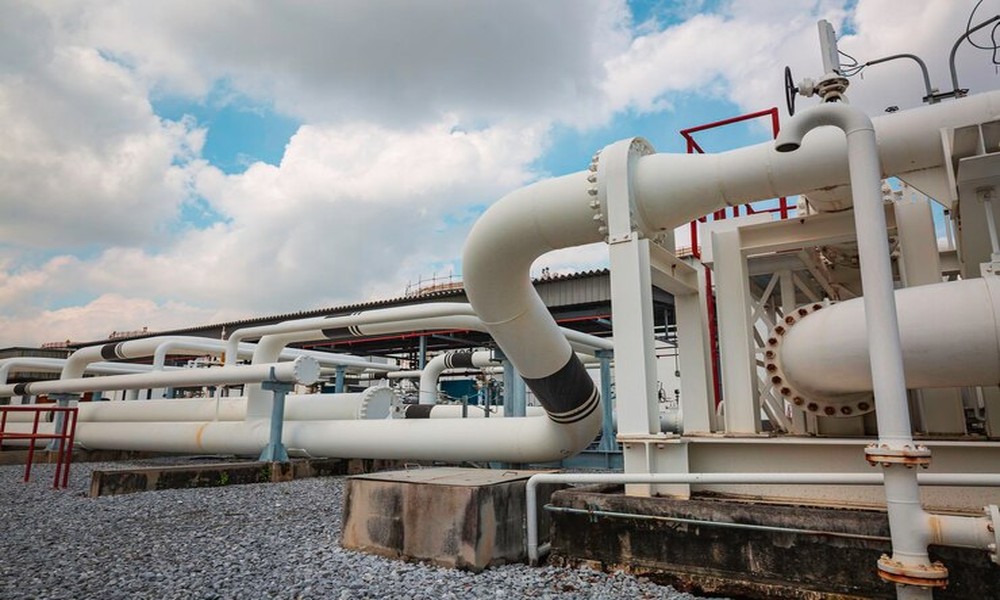
In any industrial piping system, pipes alone are not enough to ensure efficient operation. Pipe fittings play a crucial role in directing flow, connecting components, and maintaining system integrity.
Across UK industries such as manufacturing, water treatment, and chemical processing, the correct use of fittings is essential for achieving consistent flow control and reliable performance.
What Are Pipe Fittings?
Pipe fittings are components used to connect sections of pipe, change direction, control flow paths, or adapt to different sizes within a system. Without them, it would be impossible to create complex, functional pipe networks.
Common types of fittings include:
- Elbows: Change the direction of flow
- Tees: Split or combine flow between multiple pipes
- Reducers: Connect pipes of different diameters
- Couplings: Join two sections of pipe together
- Adapters: Allow connection between different thread types or materials
Each fitting type serves a specific purpose in maintaining efficient flow.
How Fittings Influence Flow Efficiency
Flow efficiency is heavily influenced by how fittings are used throughout the system. Poorly selected or installed fittings can restrict flow, increase turbulence, and reduce overall efficiency.
Key factors include:
- Flow direction changes: Sharp angles can create resistance
- Internal surface smoothness: Affects friction and flow rate
- Correct sizing: Mismatched fittings can disrupt flow consistency
- System layout: Efficient routing reduces unnecessary pressure loss
Careful selection of fittings helps maintain smooth and consistent flow across the entire system.
Minimising Pressure Loss
Every fitting introduces some level of resistance within a pipe system. In large or complex networks, this can add up and significantly impact performance.
To minimise pressure loss:
- Use gradual bends instead of sharp angles where possible
- Select fittings with smooth internal surfaces
- Avoid unnecessary connections or excessive changes in direction
- Ensure fittings are correctly sized for the system
Reducing pressure loss improves efficiency and lowers energy consumption in pump driven systems.
Material Compatibility and Durability
Just like pipes, fittings must be compatible with the fluid being transported and the operating environment. Using the wrong material can lead to corrosion, leaks, or system failure.
Common considerations include:
- Chemical resistance for aggressive fluids
- Temperature tolerance for high heat applications
- Pressure ratings for demanding industrial systems
- Durability for long-term use in harsh conditions
Matching fittings to system requirements is essential for maintaining performance over time.
The Role of Fittings in System Flexibility
Pipe fittings also provide flexibility within a system, allowing for modifications, expansions, and maintenance access.
They enable:
- Easy system upgrades or reconfiguration
- Integration of additional equipment such as valves or sensors
- Efficient repair and replacement of sections
- Adaptation to changes in layout or process requirements
This flexibility is particularly valuable in industries where systems evolve over time.
Applications Across UK Industry
Pipe fittings are used in virtually every industrial sector, including:
- Water and wastewater treatment systems
- Chemical processing plants
- Food and beverage production
- Construction and infrastructure projects
- Manufacturing and engineering facilities
Their role in maintaining efficient flow makes them a fundamental part of any piping network.
Frequently Asked Questions
Do pipe fittings affect flow rate?
Yes. The type, size, and placement of fittings can significantly influence flow rate and system efficiency.
What happens if fittings are incorrectly sized?
Incorrect sizing can cause pressure drops, turbulence, and reduced system performance.
Are all pipe fittings interchangeable?
No. Fittings must match the pipe material, size, and thread type to ensure a secure and leak-free connection.
How often should fittings be inspected?
Regular inspection is recommended to check for wear, corrosion, or damage that could affect performance.
Final Thoughts
Pipe fittings are essential components in maintaining efficient flow control within industrial piping systems. By selecting the right types, materials, and configurations, businesses can reduce pressure loss, improve system performance, and ensure long term reliability.
In UK industrial environments, attention to detail in fitting selection and installation plays a key role in achieving efficient and dependable pipework systems.