

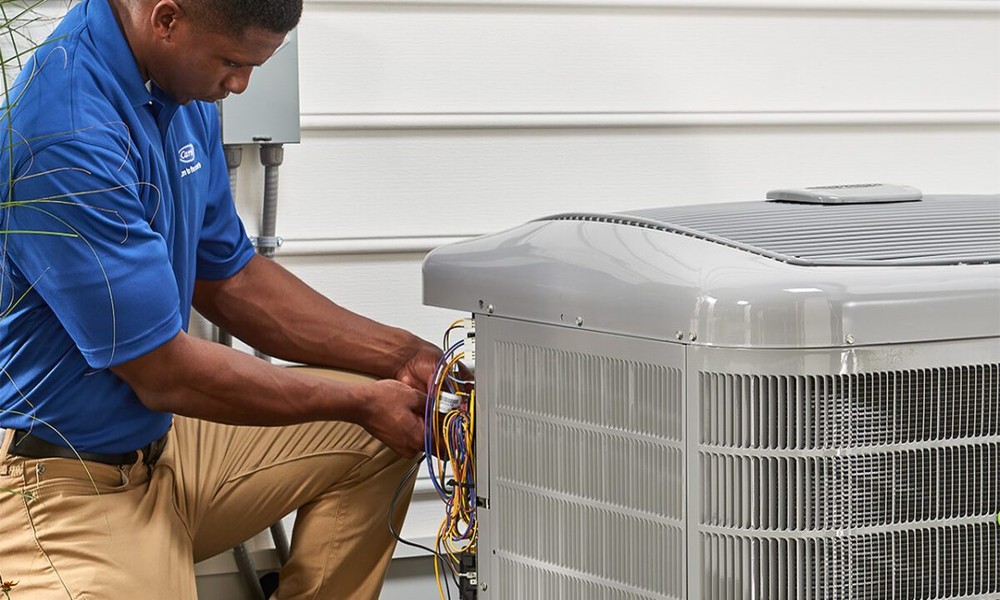
Your HVAC system works tirelessly behind the scenes to keep your home comfortable, whether it’s sizzling summer or chilly winter. However, like any complex system, HVAC units can experience problems over time, often without warning. When your HVAC system malfunctions, it can lead to discomfort, high energy bills, and costly repairs. While some issues might seem minor, ignoring them can cause bigger, more expensive problems down the road.
1. Poor Airflow
Symptoms: Weak or uneven airflow, no airflow from vents.
One of the most frustrating HVAC problems is poor airflow. When you notice that some rooms in your house are too warm or too cold, or the air coming from your vents is weak, it may be a sign of a serious issue that requires HVAC repair in Elk Grove, CA. Several factors can lead to poor airflow:
- Clogged filters: Air filters trap dust and debris, but over time, they can become clogged, reducing airflow. Regular maintenance and changing your filters every 1-3 months can prevent this.
- Leaky ducts: Cracks or holes in your ductwork can cause air to escape before it reaches your rooms, lowering airflow and system efficiency.
- Broken fan: The fan is responsible for circulating air through the system. If it’s malfunctioning, it will lead to insufficient airflow.
Solution: Have your HVAC system inspected by professionals who can clean or replace filters, repair ducts, or fix fan issues.
2. Inconsistent Temperatures
Symptoms: Different temperatures in different rooms, or the thermostat reading is inaccurate.
Inconsistent temperatures can make your home uncomfortable. One room may be too cold, while another feels stuffy. This problem often occurs when your HVAC system is not distributing air evenly throughout the home. Causes include:
- Thermostat malfunction: An inaccurate thermostat can misread temperatures, causing the HVAC system to overheat or undercool the house.
- Zoning issues: If your HVAC system lacks a zoning feature, it may struggle to distribute air evenly across multiple rooms.
- Undersized or oversized unit: If your HVAC system isn’t properly sized for your home, it may have difficulty maintaining a consistent temperature throughout.
Solution: Consider installing a new thermostat, upgrading to a zoning system, or consulting an expert to evaluate your HVAC unit’s size for your home.
3. No Cool or Warm Air
Symptoms: The system runs but doesn’t produce any cool or warm air.
This is one of the most obvious HVAC problems that can signal a major issue. When your HVAC system blows air but it’s not heated or cooled, the problem could be:
- Low refrigerant levels: Refrigerant is the substance that cools the air in your system. If your refrigerant is low, it could indicate a leak in the coils or refrigerant lines.
- Compressor failure: The compressor is the heart of your HVAC system. If it fails, it can stop the system from heating or cooling altogether.
- Clogged evaporator coil: A frozen or clogged coil can prevent air from being properly cooled or heated.
Solution: If you notice this problem, it’s essential to call for HVAC repair immediately. Refrigerant leaks require professional repair, and compressor or coil issues need expert attention.
4. Strange Noises
Symptoms: Humming, rattling, or screeching sounds from the unit.
Noises coming from your HVAC system can indicate mechanical problems that need urgent attention. Common sounds include:
- Rattling: Loose components or a dirty blower wheel can cause rattling noises.
- Screeching: A screeching sound can point to a worn-out belt or motor issue.
- Banging: A banging noise may indicate a problem with the compressor or an unbalanced fan.
Ignoring these noises can lead to further damage. For example, a worn belt can cause the motor to overheat, while loose components can break if not addressed.
Solution: Schedule an inspection to pinpoint the source of the noise. A professional can lubricate parts, replace worn-out belts, or fix any loose components.
5. Foul Odors
Symptoms: Musty, burning, or other unpleasant smells coming from the vents.
Strange smells from your HVAC system are not just unpleasant-they can also indicate serious underlying problems. For example:
- Musty smell: This could be a sign of mold or mildew buildup in the ductwork or the system’s evaporator coil.
- Burning smell: This often occurs when dust or debris accumulates on the heating elements. If the burning smell persists, it could be an electrical issue.
- Chemical odor: This could indicate a refrigerant leak, which can be dangerous and needs immediate attention.
Solution: If you notice any of these odors, it’s time to call for HVAC repair in Elk Grove, CA. A technician can clean the system, remove mold, and address any refrigerant or electrical problems.
6. System Short Cycling
Symptoms: The HVAC system starts and stops frequently without completing a full cycle.
If your HVAC system is turning on and off frequently, it’s called short cycling. This is a serious issue that can lead to increased wear on the system and higher energy bills. Common causes of short cycling include:
- Dirty air filter: A clogged air filter restricts airflow, causing the system to overheat and shut down before completing the cycle.
- Thermostat issues: An inaccurate thermostat can signal the system to turn off prematurely.
- Low refrigerant levels: When refrigerant levels drop, the system struggles to reach the desired temperature, causing it to cycle more often.
Solution: Change the air filter, check the thermostat calibration, and have a technician inspect the refrigerant levels.
Conclusion
Your HVAC system is essential for maintaining a comfortable home environment, but when things go wrong, it can disrupt your daily routine and put a strain on your wallet. By recognizing the signs of common HVAC problems, you can take quick action and prevent further damage. Whether it’s poor airflow, strange noises, or a water leak, timely HVAC repair in Elk Grove, CA can help restore your system’s efficiency and extend its lifespan.
Remember, regular maintenance and professional inspections are key to preventing these issues from occurring in the first place. If you’re experiencing any of the problems discussed above, don’t hesitate to contact a trusted HVAC expert to keep your system running smoothly.